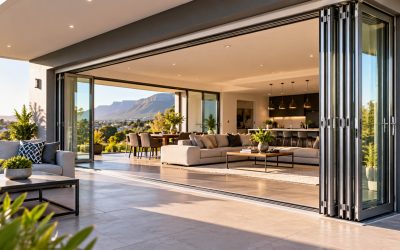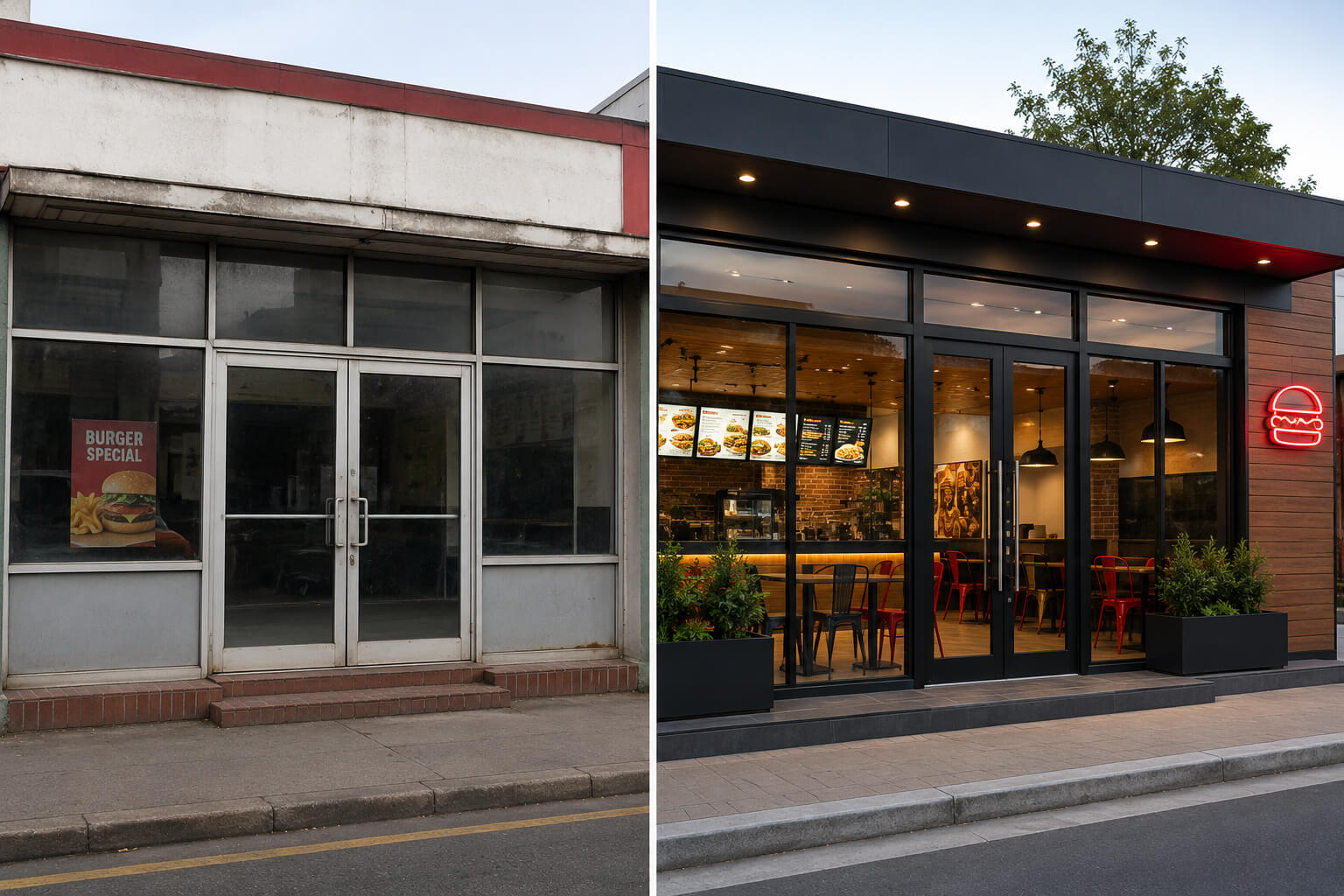
Get More Traffic Through Your Doors With New Shopfronts
Your shopfront is the first thing a potential customer sees, and it decides in seconds whether they walk in or walk past. Worn frames, dated glass, or a dull entrance quietly turn business away, even when everything inside is exactly what customers are looking for. New shopfronts change that equation by making your entrance work as hard as your product does.
This article covers why shopfronts matter for foot traffic, the difference between glass and aluminium options, what to weigh up before you upgrade, and how the right installation partner makes the process straightforward.
Why Your Shopfront Directly Affects Foot Traffic
Retail and commercial spaces rely on visibility. A shopfront with clean sightlines into the store, clear branding, and good natural light draws the eye from further away and holds attention longer than a closed-off, dated facade.
Older shopfronts also work against a business in practical ways:
- Small or frosted windows hide products and displays from passers-by
- Corroded or misaligned frames signal that the business itself may be neglected
- Poor insulation drives up heating and cooling costs, especially with older single-glazed units
- Outdated security features leave stock and staff more exposed
Replacing these elements with a modern shopfront addresses appearance and function at the same time, which is why it’s one of the higher-return upgrades available to retailers, restaurants, and commercial premises.
Glass Shopfronts vs Aluminium Shopfronts
Most new installations combine both materials, but it helps to understand what each brings to the design.
Glass Shopfronts
Glass shopfronts maximise visibility into the store, letting natural light reach displays and interiors that would otherwise sit in shadow. For fashion retailers, restaurants, and showrooms, this visibility often does the selling before a customer even reaches the door. Toughened and laminated glass options also meet safety standards for high-traffic commercial areas.
Aluminium Shopfronts
Aluminium framing gives the structure its strength, security, and long-term durability. It resists corrosion, requires minimal maintenance, and can be powder-coated to match a brand’s colour scheme. Aluminium shopfronts also support larger glass panels than older frame materials, which means fewer visual obstructions across the front of the store.
Together, glass and aluminium shopfronts deliver a facade that is durable, secure, and built to present the business clearly to everyone walking past.
The two materials aren’t an either-or choice. A well-designed shopfront typically uses aluminium for the structural frame, doors, and any sliding or folding sections, while glass fills the panels to keep the interior visible. Getting the ratio right depends on the business: a restaurant may want wide, uninterrupted glass panels to show off the dining space, while a jewellery store or pharmacy may prioritise narrower framing with added security glazing.
What to Consider Before Upgrading Your Shopfront
A shopfront upgrade is a visible, long-term investment, so it’s worth thinking through a few practical factors before committing to a design.
Security and Access
Roller shutters, reinforced locking systems, and laminated glass all reduce break-in risk without compromising the open, inviting look of the storefront.
Energy Efficiency
Double-glazed units and thermally broken aluminium frames reduce heat transfer, which lowers heating and cooling costs in commercial spaces that run air conditioning throughout the day.
Compliance and Building Regulations
Commercial installations need to meet local building and safety codes, particularly around glass thickness and structural loading. Working with an experienced installer avoids costly rework later.
Brand Alignment
Frame colour, glass finish, and door style should reflect the brand behind the counter. A shopfront that looks generic blends into the street; one that reflects the business stands out to the right customers.
Why Professional Installation Matters
Shopfronts carry structural and safety requirements that go beyond standard window installation. Panels need to be correctly sized, frames properly sealed against weather, and glass rated for the foot traffic and location involved. A poorly fitted shopfront can lead to draughts, water ingress, or security gaps that undermine the investment.
Urban Glass & Aluminium designs, supplies, and installs shopfronts for retail, restaurant, and commercial clients, handling the process from initial design through to final fitting. Working with a single, experienced team keeps the project on schedule and ensures the finished shopfront meets both appearance and safety standards.
See a Recent Shopfront Project
Below is an example of a shopfront installation completed by our team, showing how glass and aluminium combine in a finished commercial space.
Getting Started
A new shopfront is one of the few upgrades that pays back through both appearance and running costs, drawing more people through the door while cutting energy use and maintenance over time. Whether the goal is a full glass frontage, a more secure aluminium frame, or a combination of both, the design should match the business behind it and the street it sits on.
Urban Glass & Aluminium works with retail, restaurant, and commercial clients across residential and commercial projects, managing design, supply, and installation as one process rather than separate, disconnected steps. From initial measurements and material selection through to the final fit, the same team stays on the project, which keeps timelines predictable and reduces the back-and-forth that often comes with using separate suppliers for design and installation.
Ready to discuss a new shopfront for your business? Call us on 083 652 8463, email ruan@urbanglass.co.za, or get in touch through our contact page to arrange a consultation.